Trader Joe’s Falafel Mix Instructions: A Comprehensive Guide
This guide provides detailed instructions for preparing Trader Joe’s Falafel Mix, a convenient and flavorful option for a quick, vegan meal.
It’s a blend of fava beans, chickpea flour, and spices, offering a delightful Middle Eastern experience.
The mix is gluten-free and requires minimal additional ingredients, making it a pantry staple for easy dinners. Discover baking and frying methods!
We’ll cover everything from mixing the dough to achieving the perfect consistency, ensuring your falafel turns out crispy on the outside and tender within.
Understanding the Trader Joe’s Falafel Mix
Trader Joe’s Falafel Mix is a pre-packaged blend designed to simplify the process of making authentic falafel at home. It’s a popular choice for those seeking a convenient, plant-based meal option, eliminating the need to source and measure individual ingredients like chickpeas and fava beans.
The mix primarily consists of fava beans and chickpea flour, forming the base of the falafel. These are combined with a proprietary blend of spices, sea salt, garlic powder, and onion powder, delivering a flavorful foundation. Baking powder is also included, contributing to a lighter, less dense texture when cooked.
Notably, the mix is both vegan and gluten-free, catering to a wide range of dietary preferences. It’s a relatively quick and easy meal to prepare, requiring only the addition of water. However, understanding the composition and potential sodium content (as noted in reviews) is key to enjoying a balanced meal. It’s a convenient starting point for a delicious and healthy dish!
Ingredients List Breakdown
The Trader Joe’s Falafel Mix boasts a concise ingredient list, centered around plant-based proteins and flavorful seasonings. The foundation is built upon fava beans and chickpeas, providing the essential texture and nutritional value characteristic of traditional falafel.
Spices form a crucial component, contributing to the mix’s distinctive Middle Eastern flavor profile – though the specific blend remains proprietary. Sea salt enhances the overall taste, while garlic powder and onion powder add aromatic depth.
A leavening agent, baking powder (containing sodium acid pyrophosphate, sodium bicarbonate, cornstarch, and monocalcium phosphate), is included to create a lighter, less dense falafel. It’s important to note the presence of sodium, which may be a consideration for those monitoring their intake. The simplicity of the ingredient list highlights the mix’s focus on delivering authentic flavor with minimal processing.
Preparation Time & Yield
Preparing Trader Joe’s Falafel Mix is remarkably efficient, making it ideal for weeknight meals. The total preparation time, from initial mixing to enjoying your falafel, typically ranges between 30 to 60 minutes. This includes a crucial resting period for the dough to properly hydrate and bind.
The yield of the mix is approximately 16-20 falafel patties, depending on the desired size. One package (typically around 10-12 ounces) provides enough mixture for several servings, making it a cost-effective option.
Keep in mind that the resting time is essential for optimal texture; rushing this step can result in falafel that falls apart during cooking. Adjust cooking method (baking or frying) to your preference, impacting final cooking time. This mix offers a convenient path to a flavorful and satisfying meal for 2-4 people.

Step-by-Step Cooking Instructions
Follow these simple steps to transform Trader Joe’s Falafel Mix into delicious patties. First, mix the dough, then allow it to rest for optimal texture.
Finally, choose your preferred cooking method – baking for a healthier option or frying for a classic, crispy result!
Mixing the Falafel Dough
Begin by emptying the entire contents of the Trader Joe’s Falafel Mix package into a medium-sized mixing bowl. The mix primarily consists of fava beans and chickpea flour, already pre-seasoned with a delightful blend of spices, garlic powder, onion powder, and sea salt.
Gradually add water to the dry mix, following the package directions – typically around ¾ cup to 1 cup. It’s best to add the water incrementally, mixing continuously with a fork or your hands. The goal is to create a thick, somewhat coarse dough. Avoid overmixing, as this can result in dense falafel.
The consistency should be firm enough to hold its shape when formed into patties, but not overly dry. If the mixture appears too dry, add a tablespoon of water at a time until the desired consistency is achieved. Conversely, if it’s too wet, add a little more of the mix (if available) or a tablespoon of chickpea flour.
Once thoroughly combined, the dough is ready for the crucial resting period, allowing the flavors to meld and the mixture to bind together properly.
Resting Period: Importance & Duration
After mixing the Trader Joe’s Falafel dough, allowing it to rest is a critical step often overlooked. This resting period, typically ranging from 30 to 60 minutes at room temperature, is essential for several reasons. It allows the chickpea flour and fava beans to fully hydrate, absorbing the water and creating a cohesive mixture.
Hydration is key to preventing the falafel from falling apart during cooking. Without sufficient hydration, the patties will crumble when fried or baked. The resting period also allows the flavors to meld and develop, resulting in a more flavorful final product.
Cover the bowl with plastic wrap or a clean kitchen towel during the resting phase to prevent the dough from drying out. You’ll notice the mixture thickens considerably as it sits. Don’t skip this step – it significantly impacts the texture and integrity of your falafel!

A well-rested dough will be easier to shape and hold its form during the cooking process.
Cooking Methods
Trader Joe’s Falafel Mix offers versatility in cooking methods, allowing you to choose between baking for a healthier option or frying for a more traditional, crispy result. Baking involves preheating your oven to 400°F (200°C) and placing the formed falafel patties on a baking sheet, ideally with other vegetables like brussel sprouts or bell peppers for a complete meal.
Baking typically takes around 20-25 minutes, flipping halfway through, until golden brown and firm. For frying, heat about 2 inches of oil (vegetable or canola) to 350°F (175°C). Carefully drop the falafel patties into the hot oil, ensuring not to overcrowd the pan.
Fry for 3-4 minutes per side, until golden brown and crispy. Drain on paper towels to remove excess oil. Both methods yield delicious falafel, but frying provides a more authentic texture.
Remember to handle hot oil with caution and always supervise the cooking process.
Baking Instructions
For a healthier approach to Trader Joe’s Falafel Mix, baking delivers a satisfying result with less oil. Begin by preheating your oven to 400°F (204°C). Lightly grease a baking sheet or line it with parchment paper to prevent sticking. Arrange the formed falafel patties on the prepared baking sheet, leaving a little space between each one for even cooking.
You can enhance the meal by adding vegetables like brussel sprouts alongside the falafel. Bake for approximately 20 to 25 minutes, flipping the patties halfway through to ensure they brown evenly on both sides.
The falafel is ready when it’s golden brown and feels firm to the touch. Baking yields a slightly less crispy exterior compared to frying, but still provides a delicious and convenient way to enjoy this Middle Eastern favorite.
Monitor closely to prevent burning, adjusting baking time as needed based on your oven.
Frying Instructions

For traditionally crispy falafel, frying is the preferred method. Pour about 1-2 inches of vegetable oil into a deep frying pan or pot. Heat the oil to 350°F (175°C) – a thermometer is highly recommended for accuracy. Carefully drop the formed falafel patties into the hot oil, ensuring not to overcrowd the pan; work in batches if necessary.
Fry for approximately 3-4 minutes per batch, turning occasionally to ensure even browning and cooking. The falafel should turn a golden-brown color and become firm to the touch. Remove the fried falafel with a slotted spoon and place them on a plate lined with paper towels to drain excess oil.
Be cautious when frying, as hot oil can splatter; Maintain a safe distance and avoid adding too many patties at once to prevent the oil temperature from dropping too much.
Serve immediately for the best texture and flavor.
Serving Suggestions & Accompaniments
Enjoy Trader Joe’s falafel in pita bread with hummus, tahini, and fresh vegetables for a classic experience. Consider vibrant salads and flavorful sauces!
Pair with traditional sides like baba ghanoush, tabouli, or a refreshing cucumber-yogurt dip to complete your Middle Eastern feast.
Traditional Serving Ideas
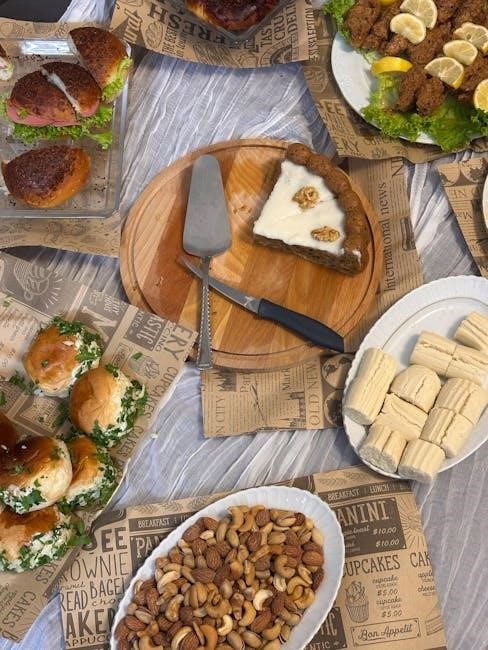
Authentically, falafel is best enjoyed nestled within warm pita bread, creating a satisfying and portable meal. This allows for easy customization with a variety of fresh toppings and sauces. A generous smear of creamy hummus is practically mandatory, providing a rich and nutty base.
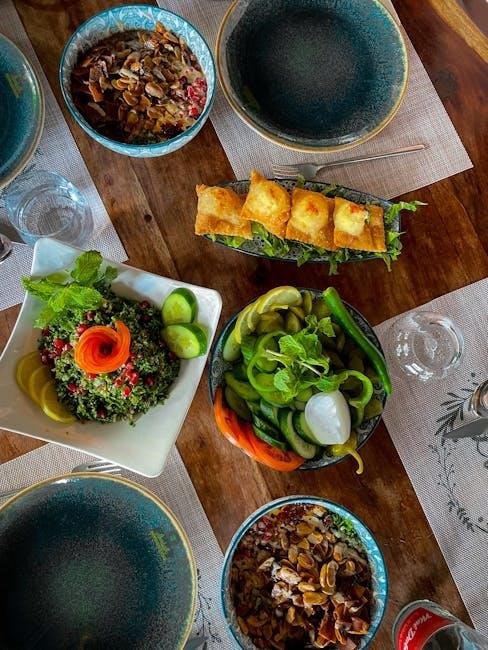
Alongside the hummus, consider adding a vibrant Israeli salad – a finely diced mixture of cucumbers, tomatoes, onions, and parsley, dressed with lemon juice and olive oil. Pickled turnips offer a tangy counterpoint to the savory falafel. Don’t forget a dollop of tahini, a sesame seed paste, for an extra layer of flavor and creaminess.
For a more substantial meal, serve the falafel as part of a mezze platter, a selection of small dishes perfect for sharing. Include other traditional items like baba ghanoush (smoked eggplant dip), tabbouleh (parsley salad), and dolmas (stuffed grape leaves). A sprinkle of sumac, a tangy spice, adds a beautiful color and flavor.
Sauce Pairings
Beyond the classic tahini, a world of sauces complements Trader Joe’s falafel. A vibrant, homemade tzatziki sauce – a yogurt-based dip with cucumber, garlic, and dill – provides a cooling contrast to the crispy falafel. For those who enjoy a bit of heat, a spicy harissa paste, either swirled into yogurt or used directly, adds a fiery kick.
A simple lemon-garlic sauce, made with fresh lemon juice, minced garlic, and olive oil, brightens the flavors and cuts through the richness. Consider a mango chutney for a sweet and tangy pairing, offering an unexpected but delightful twist. Amba, a pickled mango sauce popular in Iraqi cuisine, is another excellent choice.
For a creamy and herbaceous option, a cilantro-lime crema works wonderfully. Experiment with different hot sauces, from mild to fiery, to customize the spice level. Remember, the goal is to enhance, not overpower, the delicate flavors of the falafel.
Side Dish Recommendations
Trader Joe’s falafel pairs beautifully with a variety of sides, creating a complete and satisfying meal. A fresh Israeli salad, featuring finely diced cucumbers, tomatoes, onions, and parsley, offers a refreshing counterpoint to the savory falafel. A simple side of hummus, perhaps Trader Joe’s own variety, is a classic accompaniment, perfect for dipping.
For a heartier meal, consider a side of couscous or quinoa, seasoned with herbs and spices. Roasted vegetables, such as Brussels sprouts (as suggested in online recipes) or bell peppers, add color and nutritional value. A vibrant tabbouleh salad, with bulgur wheat, parsley, mint, and tomatoes, provides a flavorful and textural contrast.
Pickled vegetables, like turnips or cucumbers, offer a tangy bite that cuts through the richness of the falafel. Don’t forget a side of warm pita bread for wrapping everything together – a truly authentic experience!

Nutritional Information & Allergen Details
Trader Joe’s Falafel Mix contains fava beans and chickpeas, and is relatively high in sodium. It’s vegan and gluten-free, but allergen awareness is key!
Review the ingredient list carefully for potential sensitivities, especially regarding legume allergies. Macronutrient details vary with preparation methods.
Macronutrient Breakdown
Analyzing the macronutrient profile of Trader Joe’s Falafel Mix, prepared according to package directions, reveals a substantial plant-based protein source. A typical serving, consisting of approximately four falafel patties, yields around 12-15 grams of protein, crucial for muscle maintenance and satiety.
Carbohydrate content is also significant, primarily derived from the chickpea flour and fava beans, totaling roughly 25-30 grams per serving. These carbohydrates provide sustained energy, though individuals monitoring their intake should be mindful of portion sizes.
Fat content is moderate, around 8-10 grams per serving, largely unsaturated fats beneficial for heart health. However, the frying method significantly increases the overall fat content, so baking is a healthier alternative. The mix itself is relatively low in fiber, around 5-7 grams, but this can be boosted by serving with fiber-rich sides like salads or whole-wheat pita bread.
It’s important to note these values are estimates and can vary based on preparation and added ingredients.
Allergen Information (Fava Beans, etc.)
Individuals with legume sensitivities should exercise caution when consuming Trader Joe’s Falafel Mix, as it prominently features both fava beans and chickpeas. Fava beans, also known as broad beans, are a common allergen, potentially triggering reactions in sensitive individuals. Chickpeas, while generally well-tolerated, can also cause allergic responses in some.
The mix is manufactured in a facility that may process other allergens, including tree nuts, peanuts, and soy. While not directly listed as ingredients, cross-contamination is a possibility. Therefore, those with severe allergies should carefully review the packaging and consider avoiding the product if concerned.
The ingredient list explicitly states the presence of fava beans, chickpeas, and specifies baking powder components. Individuals with sensitivities to cornstarch or sodium acid pyrophosphate, found within the baking powder, should also be aware. Always consult with a healthcare professional if you have specific allergy concerns.
Careful label reading is crucial for informed consumption.

Sodium Content Considerations
Trader Joe’s Falafel Mix contains a notable amount of sodium, a factor to consider for individuals monitoring their salt intake. The ingredient list reveals the inclusion of sea salt, contributing significantly to the overall sodium content per serving. This is a common characteristic of pre-mixed food products designed for convenience.
Consumers concerned about sodium levels should be mindful of portion sizes and accompanying sauces or dips. Traditional falafel accompaniments, such as tahini sauce or pickled vegetables, can further increase sodium consumption. Opting for low-sodium alternatives or preparing homemade versions can help mitigate this.
Individuals with hypertension or other health conditions requiring sodium restriction should carefully evaluate the nutritional information before consuming this product. Balancing the mix with fresh, low-sodium ingredients can create a healthier meal.
Awareness and moderation are key to enjoying this convenient option responsibly.

Tips & Tricks for Perfect Falafel
Achieving ideal falafel texture requires proper dough consistency and preventing crumbling during cooking. Resting the mixture is crucial for binding, ensuring a firm, flavorful result.
Experiment with spices to enhance the flavor profile, and don’t overcrowd the pan when frying for optimal crispness.
Achieving the Right Consistency
The key to successful Trader Joe’s falafel lies in achieving the correct dough consistency. The mix, composed of fava beans and chickpea flour, requires a precise amount of water for optimal binding. Begin by gradually adding water, as directed on the package, and mixing thoroughly.
Avoid overmixing, which can result in dense falafel. The dough should hold its shape when formed into patties but not be overly sticky. If the mixture appears too dry, add water one teaspoon at a time until the desired consistency is reached. Conversely, if it’s too wet, incorporate a tablespoon of chickpea flour to absorb excess moisture.
Remember, the resting period (discussed later) significantly impacts the dough’s texture, allowing the ingredients to fully hydrate and bind. A well-balanced dough will yield falafel that is crispy on the outside and delightfully tender within, avoiding a crumbly or mushy outcome.
Preventing Falafel from Falling Apart
A common concern when making falafel is preventing them from crumbling during cooking. Proper dough consistency, as previously discussed, is paramount. Ensure the mixture adequately binds after the resting period, allowing the fava beans and chickpea flour to fully hydrate.
When forming the patties, handle the dough gently but firmly. Avoid overworking it, which can weaken the structure. Chilling the formed falafel for 15-20 minutes before cooking can further solidify their shape.
During frying or baking, avoid overcrowding the pan or baking sheet. This maintains oil temperature and prevents sticking. Gently flip the falafel to ensure even cooking without disruption. If using the baking method, a light coating of oil spray can promote crispness and cohesion. A well-rested, properly formed falafel is less prone to disintegration.
Flavor Enhancement Techniques
While Trader Joe’s Falafel Mix is pre-seasoned, several techniques can elevate the flavor profile. Finely chopped fresh herbs, such as parsley and cilantro, added during the mixing stage, introduce brightness and freshness. A squeeze of lemon juice also complements the earthy flavors beautifully.
Experiment with spices! A dash of cumin, coriander, or even a pinch of cayenne pepper can add depth and complexity. Consider incorporating a small amount of grated garlic or finely diced onion for a more pungent aroma.
Don’t underestimate the power of a flavorful oil for frying. Infused oils, or simply adding a clove of garlic to the oil while heating, can impart subtle yet noticeable enhancements. Remember, the accompanying sauces significantly impact the overall taste, so choose wisely!