Understanding Biology: A Comprehensive Plan
Biology unveils life’s intricate systems, from microscopic cells to vast ecosystems.
This exploration provides a foundational understanding of the natural world,
essential for informed decision-making and scientific advancement.
Embarking on the study of biology is akin to beginning an incredible journey into the heart of life itself. This captivating science delves into the complexities of living organisms, exploring their structure, function, growth, origin, evolution, and distribution. It’s a remarkably broad field, encompassing everything from the tiniest microbes to the largest whales, and from the molecular mechanisms within cells to the intricate interactions within ecosystems.
Why study biology? The answers are multifaceted. Understanding biological principles is crucial for addressing some of the most pressing challenges facing humanity, including disease, food security, and environmental conservation. Moreover, biology fosters a deeper appreciation for the natural world and our place within it. It equips us with the critical thinking skills necessary to evaluate scientific information and make informed decisions about our health and the environment.
This introductory section will lay the groundwork for a comprehensive exploration of biological concepts. We will define biology, outline the characteristics that define life, and provide a broad overview of the diverse branches within this fascinating discipline, setting the stage for a deeper dive into the wonders of the living world.
A. What is Biology?
At its core, biology is the scientific study of life. Derived from the Greek words “bios” (life) and “logos” (study), it’s a discipline dedicated to unraveling the mysteries of the living world. But what exactly defines life? Biologists generally agree on a set of characteristics that distinguish living organisms from non-living matter. These include organization, metabolism, growth, adaptation, response to stimuli, and reproduction.
Biology isn’t simply memorizing facts about plants and animals; it’s a process of investigation, observation, and experimentation. It employs the scientific method to formulate hypotheses, design experiments, and analyze data, ultimately seeking to understand the underlying principles governing life’s processes. This pursuit spans multiple levels of organization, from the molecular level (studying DNA and proteins) to the global level (examining ecosystems and biodiversity).
The scope of biology is vast and ever-expanding. It’s a dynamic field constantly evolving with new discoveries and technologies. From groundbreaking advancements in genetic engineering to a deeper understanding of the human microbiome, biology continues to reshape our understanding of ourselves and the world around us.
B. The Characteristics of Living Organisms
All living organisms share several key characteristics that distinguish them from non-living matter. First, they exhibit organization – being composed of one or more cells, the basic units of life. Second, they engage in metabolism, the sum of all chemical processes that occur within an organism to maintain life. This includes acquiring and using energy.
Growth and development are also hallmarks of life, involving an increase in size and complexity. Organisms respond to stimuli, reacting to changes in their environment, ensuring survival. Crucially, living things possess the capacity for reproduction, creating new organisms and passing on genetic information.
Adaptation is another defining feature, allowing organisms to evolve over time to better suit their environment. This occurs through natural selection, favoring traits that enhance survival and reproduction. Finally, organisms maintain homeostasis – a stable internal environment despite external fluctuations. These characteristics, working in concert, define the essence of life and allow organisms to thrive in diverse conditions.
C. Branches of Biology – A Broad Overview
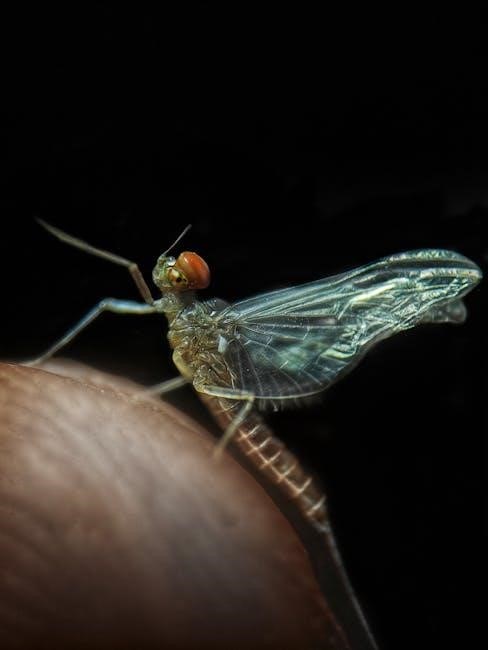
Biology encompasses a vast array of specialized fields, each focusing on a specific aspect of life. Zoology examines the animal kingdom, while botany delves into the world of plants. Microbiology investigates microscopic organisms like bacteria and viruses, crucial for understanding disease and ecosystems.
Genetics explores heredity and the function of genes, impacting everything from inherited traits to disease susceptibility. Ecology studies the interactions between organisms and their environment, vital for conservation efforts. Physiology focuses on the functions and mechanisms within living systems.
Anatomy details the structure of organisms, while biochemistry investigates the chemical processes underlying life. Evolutionary biology traces the history of life and the mechanisms of change. Furthermore, fields like marine biology and conservation biology address specific environmental concerns. These branches, often overlapping, collectively provide a comprehensive understanding of the living world, driving scientific discovery and innovation.
II. Basic Biological Principles
Fundamental principles underpin all biological study, providing a framework for understanding life’s complexities. These core concepts transcend specific disciplines, uniting the diverse fields of biology. A central tenet is the interconnectedness of all living things, forming a web of relationships within ecosystems.
Energy flow is paramount; organisms require energy to maintain life processes, obtained through various means like photosynthesis or consumption. Information storage and transfer, primarily through DNA, dictates heredity and development. Structure dictates function – the physical form of a biological component directly relates to its role.
Evolutionary adaptation shapes organisms over time, enabling survival in changing environments. These principles aren’t isolated; they interact dynamically. For example, energy flow influences ecological relationships, while genetic information drives evolutionary change. Grasping these foundational concepts is crucial for navigating the intricacies of biological systems and appreciating the elegance of life itself.
A. Cell Theory – The Foundation of Life
Cell theory stands as a cornerstone of modern biology, fundamentally reshaping our understanding of life’s organization. Developed over centuries through the work of scientists like Hooke, Schleiden, Schwann, and Virchow, it comprises three core tenets.
Firstly, all living organisms are composed of one or more cells. Secondly, the cell is the basic unit of structure and organization in organisms. This means cells are the smallest entities capable of performing life functions. Thirdly, all cells arise from pre-existing cells, rejecting the idea of spontaneous generation.
This theory revolutionized biology, providing a unifying principle for studying diverse life forms. It established the cell as the fundamental building block, enabling investigations into cellular processes and their roles in organismal function. Understanding cell theory is essential for comprehending everything from development and heredity to disease and evolution. It remains a vital framework for biological research today, driving advancements in medicine and biotechnology.
B. Homeostasis – Maintaining Internal Balance
Homeostasis refers to the ability of an organism to maintain a stable internal environment despite fluctuations in external conditions. This dynamic equilibrium is crucial for survival, ensuring optimal conditions for cellular functions.

Key mechanisms involved in homeostasis include negative feedback loops, where a change triggers a response that counteracts the initial change, and positive feedback loops, which amplify a change. Examples abound: body temperature regulation through sweating or shivering, blood glucose control via insulin and glucagon, and pH balance maintained by buffer systems.
Disruptions to homeostasis can lead to illness and disease. Factors like extreme temperatures, dehydration, or infection can overwhelm regulatory mechanisms. Understanding homeostasis is vital for comprehending physiological processes and the body’s response to stress. It’s a fundamental principle in medicine, explaining how illnesses arise and how treatments aim to restore internal balance. Maintaining this delicate balance is paramount for all living organisms.
C. Evolution – The Driving Force of Change
Evolution, at its core, is the change in the heritable characteristics of biological populations over successive generations. This isn’t simply “progress,” but adaptation to changing environments driven by natural selection.
Natural selection favors traits that enhance survival and reproduction, leading to a gradual shift in the genetic makeup of a population. Genetic variation, arising from mutations and sexual reproduction, provides the raw material for this process. Evidence for evolution is abundant, stemming from fossil records, comparative anatomy, embryology, and molecular biology.
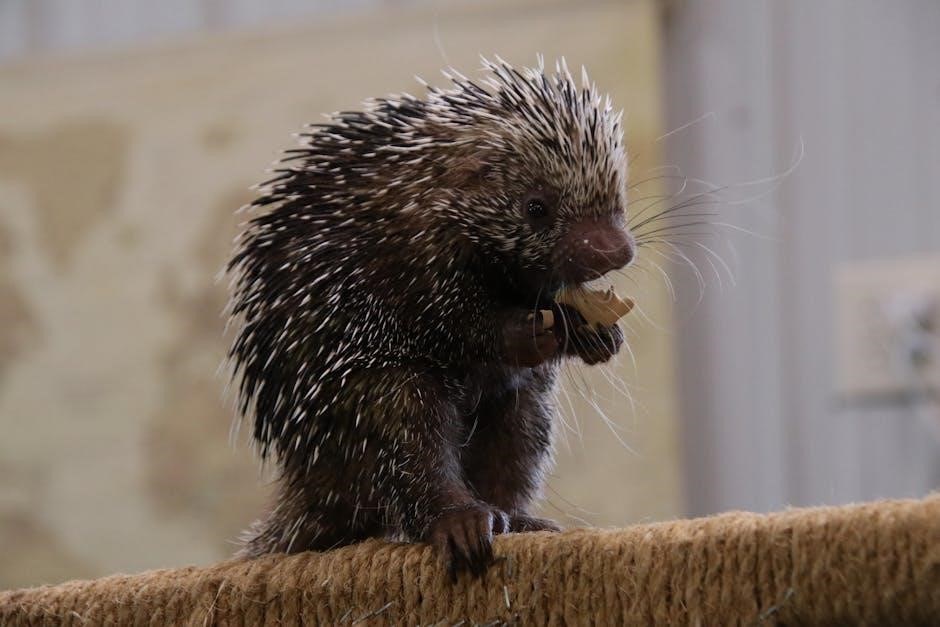
Understanding evolution is crucial for comprehending the diversity of life on Earth and addressing contemporary challenges like antibiotic resistance and emerging infectious diseases. It explains the relationships between organisms and provides a framework for understanding the history of life. Evolution isn’t just a past event; it’s an ongoing process shaping the world around us, influencing everything from biodiversity to human health.
III. The Chemical Basis of Life
Life’s processes are fundamentally chemical. Understanding the chemical principles governing biological systems is therefore essential. All living organisms are composed of matter, organized into atoms, the basic units of elements like carbon, hydrogen, oxygen, and nitrogen.
Atoms combine to form molecules through chemical bonds – covalent, ionic, and hydrogen bonds – dictating the properties and interactions of biological compounds. Water, a polar molecule, is exceptionally vital, acting as a solvent, temperature regulator, and participant in many biochemical reactions.
Four major classes of organic macromolecules – carbohydrates, lipids, proteins, and nucleic acids – form the building blocks of life. Carbohydrates provide energy, lipids store energy and form cell membranes, proteins perform diverse functions, and nucleic acids store genetic information. These molecules interact in complex ways, enabling the incredible complexity and functionality of living organisms.
A. Atoms, Molecules, and Chemical Bonds
All matter is composed of atoms, the smallest unit of an element retaining its chemical properties. Atoms consist of protons, neutrons, and electrons. The number of protons defines the element. Atoms interact to form molecules, held together by chemical bonds.
Covalent bonds involve the sharing of electrons between atoms, creating stable molecules like water (H₂O) and methane (CH₄). Ionic bonds result from the transfer of electrons, forming ions with opposite charges that attract each other, as seen in sodium chloride (NaCl).
Hydrogen bonds, weaker interactions, occur between slightly positive hydrogen atoms and slightly negative atoms like oxygen or nitrogen. These are crucial for water’s properties and the structure of proteins and DNA. The type of chemical bond dictates a molecule’s shape and reactivity, profoundly influencing its biological function. Understanding these bonds is fundamental to comprehending life’s chemical processes.
B. Water – The Molecule of Life
Water is arguably the most crucial molecule for life, comprising 60-70% of most living organisms. Its unique properties stem from its polar nature and ability to form hydrogen bonds; This polarity allows water to act as an excellent solvent, dissolving numerous substances essential for biological processes.
Cohesion, the attraction between water molecules, and adhesion, attraction to other surfaces, facilitate water transport in plants. Water’s high specific heat capacity helps regulate temperature, resisting drastic changes. Its high heat of vaporization provides a cooling mechanism through evaporation.
Water’s density anomaly – being less dense as ice – allows aquatic life to survive freezing temperatures. These properties collectively make water an ideal medium for biochemical reactions, nutrient transport, and maintaining cellular structure. Without water, life as we know it would be impossible. It truly is the molecule of life.
C. Macromolecules: Carbohydrates, Lipids, Proteins, and Nucleic Acids
Life’s building blocks are large macromolecules – carbohydrates, lipids, proteins, and nucleic acids – each with distinct structures and functions. Carbohydrates, like sugars and starches, provide energy and structural support. Lipids, including fats, oils, and phospholipids, store energy, form cell membranes, and act as hormones.
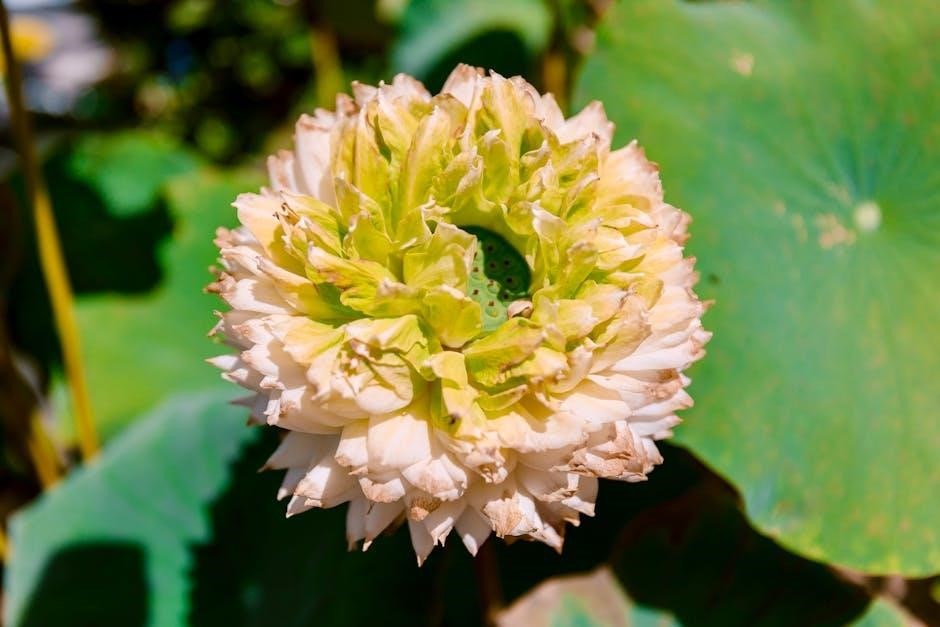
Proteins are the workhorses of the cell, performing diverse roles like enzymatic catalysis, structural support, transport, and defense. Their function is dictated by their complex 3D structure, determined by amino acid sequence. Nucleic acids – DNA and RNA – store and transmit genetic information.
These macromolecules are polymers formed by linking smaller monomer subunits. Carbohydrates from monosaccharides, lipids from fatty acids and glycerol, proteins from amino acids, and nucleic acids from nucleotides. Understanding their structure is key to understanding biological processes.
IV. Cell Structure and Function
Cells are the fundamental units of life, exhibiting remarkable structural organization and functional diversity. Prokaryotic cells, found in bacteria and archaea, lack a nucleus and other membrane-bound organelles, while eukaryotic cells, comprising plants, animals, fungi, and protists, possess a defined nucleus and complex internal compartments.
Organelles, such as the nucleus, mitochondria, endoplasmic reticulum, Golgi apparatus, and lysosomes, each perform specialized functions essential for cell survival. The nucleus houses the genetic material (DNA), mitochondria generate energy through cellular respiration, and the endoplasmic reticulum and Golgi apparatus synthesize and process proteins.
Cell transport mechanisms regulate the movement of substances across the cell membrane. Passive transport, like diffusion and osmosis, requires no energy, while active transport utilizes energy to move molecules against their concentration gradient. This intricate interplay of structure and function underpins all life processes.
A. Prokaryotic vs. Eukaryotic Cells
Prokaryotic cells, representing the earliest forms of life, are structurally simpler than their eukaryotic counterparts. Characterized by the absence of a nucleus and other membrane-bound organelles, their genetic material resides in a nucleoid region within the cytoplasm. Bacteria and Archaea exemplify prokaryotic life.
Eukaryotic cells, found in protists, fungi, plants, and animals, possess a true nucleus, housing their DNA within a nuclear envelope. They also contain various membrane-bound organelles, such as mitochondria, endoplasmic reticulum, and Golgi apparatus, each performing specialized functions. This compartmentalization enhances efficiency.
Key differences extend to size; eukaryotic cells are generally larger (10-100 μm) than prokaryotic cells (0.1-5 μm). Ribosome structure also varies. Understanding these distinctions is crucial, as they reflect fundamental evolutionary divergences and impact cellular processes significantly.
B. Organelles and Their Roles – A Detailed Look
Organelles are specialized subunits within eukaryotic cells, each performing vital functions. The nucleus controls cellular activities, housing DNA. Mitochondria generate energy through cellular respiration, often called the “powerhouses” of the cell.
The endoplasmic reticulum (ER) – rough ER with ribosomes synthesizes proteins, while smooth ER lacks ribosomes and synthesizes lipids. The Golgi apparatus processes and packages proteins. Lysosomes contain enzymes for waste breakdown and cellular cleanup.
Ribosomes are responsible for protein synthesis. Vacuoles store water, nutrients, and waste. Plant cells uniquely contain chloroplasts, enabling photosynthesis. The cytoskeleton provides structural support and facilitates movement. These organelles work in concert, ensuring cellular survival and function, demonstrating remarkable biological coordination.
C. Cell Transport – Moving Materials In and Out
Cell transport governs the movement of substances across the cell membrane, crucial for maintaining homeostasis. Passive transport, like diffusion and osmosis, requires no energy, moving substances down their concentration gradients. Diffusion involves the movement of solutes, while osmosis focuses on water.
Active transport, conversely, requires energy (ATP) to move substances against their concentration gradients, often utilizing protein pumps; Endocytosis brings materials into the cell via vesicle formation – phagocytosis engulfs large particles, while pinocytosis takes in fluids.
Exocytosis releases materials from the cell, also through vesicle fusion with the membrane. Facilitated diffusion uses membrane proteins to assist substance passage. These processes ensure cells acquire nutrients, eliminate waste, and maintain optimal internal conditions, vital for life’s functions.
V. Genetics and Heredity
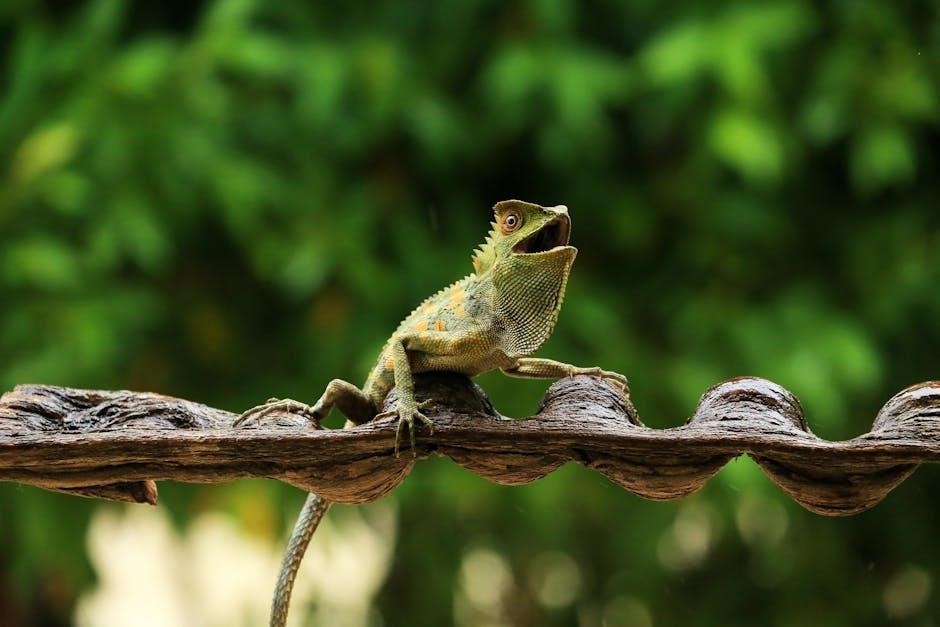
Genetics, the study of heredity, explores how traits are passed from parents to offspring. Heredity relies on DNA, the molecule carrying genetic instructions. These instructions are organized into genes, specific sequences coding for particular traits. Different versions of genes are called alleles.
Chromosomes, structures within the cell nucleus, contain DNA. Mendelian genetics, pioneered by Gregor Mendel, describes patterns of inheritance. Dominant alleles express their trait even with one copy, while recessive alleles require two copies for expression.
Punnett squares predict the probability of offspring inheriting specific traits. Understanding genetics is crucial for comprehending evolution, disease inheritance, and genetic engineering. Mutations, changes in DNA sequence, can introduce new traits, driving evolutionary change, but also potentially causing genetic disorders.
A. DNA Structure and Replication
DNA, or deoxyribonucleic acid, possesses a distinctive double helix structure, resembling a twisted ladder. This ladder’s sides are composed of sugar-phosphate backbones, while the rungs are formed by paired nitrogenous bases: adenine (A) with thymine (T), and guanine (G) with cytosine (C).
DNA replication is the process of creating an exact copy of DNA, essential for cell division. This complex process begins with unwinding the double helix, then each strand serves as a template for building a new complementary strand. DNA polymerase, an enzyme, adds nucleotides to the growing strand, ensuring accurate base pairing.
Replication results in two identical DNA molecules, each containing one original and one newly synthesized strand – a process called semi-conservative replication. Accuracy is paramount; proofreading mechanisms correct errors, maintaining genetic integrity. This precise replication ensures that genetic information is faithfully transmitted to daughter cells.
B. Genes, Alleles, and Chromosomes
Genes are fundamental units of heredity, segments of DNA that code for specific traits. They dictate characteristics like eye color or height. These genes reside on chromosomes, thread-like structures composed of DNA tightly coiled around proteins.
Humans possess 23 pairs of chromosomes – 46 in total – inheriting one set from each parent. Alleles are alternative forms of a gene, accounting for variations in traits. For example, a gene for eye color might have alleles for blue or brown eyes.
Individuals inherit two alleles for each gene, one from each parent. If the alleles differ, one may be dominant, expressing its trait, while the other is recessive, only expressed if paired with another recessive allele. The combination of alleles an individual possesses is their genotype, while the observable traits are their phenotype. Chromosomes ensure organized transmission of genetic information during cell division.
C. Mendelian Genetics – Principles of Inheritance
Gregor Mendel, through pea plant experiments, established foundational principles of inheritance. The Law of Segregation states that allele pairs separate during gamete formation, with each gamete receiving only one allele. This explains why offspring inherit traits from both parents.

The Law of Independent Assortment proposes that alleles of different genes assort independently of one another during gamete formation, provided they are on different chromosomes. This leads to diverse combinations of traits in offspring.
Punnett squares are tools used to predict the probability of offspring inheriting specific genotypes and phenotypes. They visually represent possible allele combinations from parental crosses. Concepts like homozygous (identical alleles) and heterozygous (different alleles) are crucial for understanding inheritance patterns; Mendelian genetics provides a framework for predicting and understanding how traits are passed down through generations, though many traits exhibit more complex inheritance patterns.
VI. Ecology and the Environment
Ecology explores the interactions between organisms and their environment. Ecosystems, encompassing biotic (living) and abiotic (non-living) components, demonstrate energy flow and nutrient cycling. Biomes, large-scale ecosystems characterized by specific climate conditions and dominant vegetation, showcase Earth’s diverse habitats – from rainforests to deserts.
Population ecology investigates factors influencing population size, density, and distribution. Growth is affected by birth rates, death rates, immigration, and emigration. Carrying capacity represents the maximum population size an environment can sustain. Interactions like competition, predation, and symbiosis regulate population dynamics.
Conservation biology focuses on protecting biodiversity and mitigating human impacts on ecosystems. Habitat loss, pollution, climate change, and invasive species pose significant threats. Sustainable practices, protected areas, and restoration efforts are vital for preserving the planet’s ecological integrity for future generations. Understanding these ecological principles is crucial for addressing environmental challenges.
A. Ecosystems and Biomes
Ecosystems represent communities of interacting organisms and their physical environment, functioning as integrated units. Energy flows through ecosystems via food chains and food webs, originating from the sun through producers (plants). Nutrient cycles, like the carbon and nitrogen cycles, ensure essential elements are continuously available.
Biomes are large-scale regions characterized by distinct climate patterns, vegetation types, and associated animal life. Terrestrial biomes include forests (tropical, temperate, boreal), grasslands (savannas, prairies), deserts (hot, cold), and tundra. Each biome supports unique adaptations.
Aquatic biomes encompass freshwater (lakes, rivers) and marine (oceans, coral reefs) environments. These biomes exhibit varying salinity, depth, and light penetration, influencing species distribution. Biomes aren’t static; they experience gradual changes through succession and are impacted by global climate patterns. Understanding biome characteristics reveals the interconnectedness of life on Earth.

B. Population Ecology – Growth and Regulation
Population ecology investigates how and why populations change in size and structure over time. Population growth can be exponential under ideal conditions, but is often limited by environmental factors. Carrying capacity represents the maximum population size an environment can sustainably support, determined by resource availability.
Density-dependent factors, like competition, predation, and disease, regulate population size based on population density. Higher density leads to increased impact. Conversely, density-independent factors, such as natural disasters and climate change, affect populations regardless of density.
Life history strategies describe how organisms allocate resources to growth, reproduction, and survival. These strategies vary based on environmental conditions. Studying population dynamics is crucial for conservation efforts, managing resources, and understanding species interactions within ecosystems. Population modeling helps predict future trends and inform management decisions.
C. Conservation Biology – Protecting Biodiversity
Conservation biology is a mission-oriented science focused on protecting the Earth’s biodiversity. It addresses the accelerating rate of species extinction and habitat loss, driven by human activities. Biodiversity encompasses the variety of life at all levels, from genes to ecosystems, and is vital for ecosystem services.
Threats to biodiversity include habitat destruction, invasive species, pollution, climate change, and overexploitation. Conservation strategies involve establishing protected areas, restoring degraded habitats, managing invasive species, and implementing sustainable resource use practices.

In-situ conservation protects species within their natural habitats, while ex-situ conservation involves maintaining species outside their natural habitats (e.g., zoos, botanical gardens). Understanding ecological principles and genetic diversity is crucial for effective conservation. Collaboration between scientists, policymakers, and local communities is essential for long-term success in safeguarding our planet’s biological heritage.