Overview of 2024 Honda Accord
The 2024 Honda Accord, a flagship midsize sedan, arrives without a manual gearbox. Buyers can choose between a 8‑speed automatic or a 10‑speed dual‑clutch, both paired with a 1.5‑liter turbo or a 2.0‑liter engine. The shift to automatics reflects evolving consumer preferences and tightening emissions standards.
Transmission Options in 2024 Accord
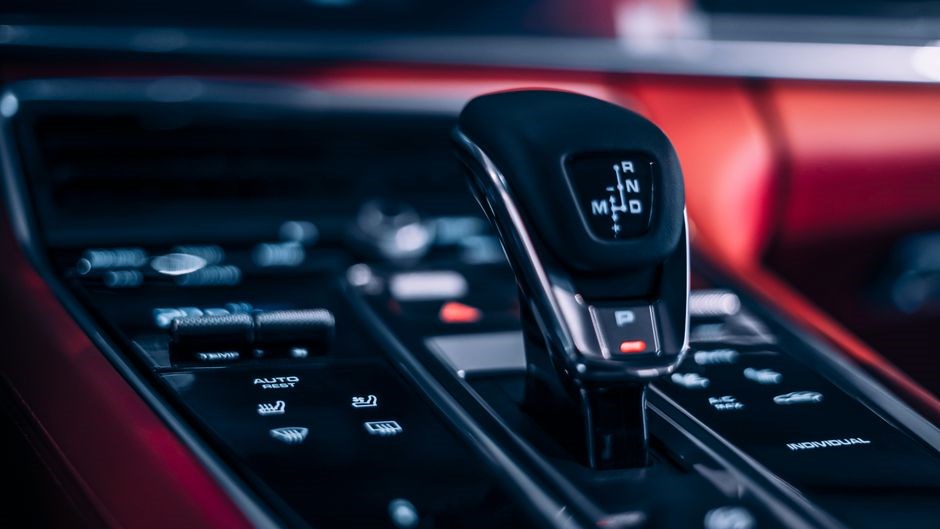
The 2024 Accord offers two automatic choices: an 8‑speed traditional automatic with a 1.5‑liter turbo, and a 10‑speed dual‑clutch paired with a 2.0‑liter engine. No manualgearbox is available, reflecting Honda’s shift toward efficiency and market demand. 2024 2024 2024
Available Automatic Transmissions
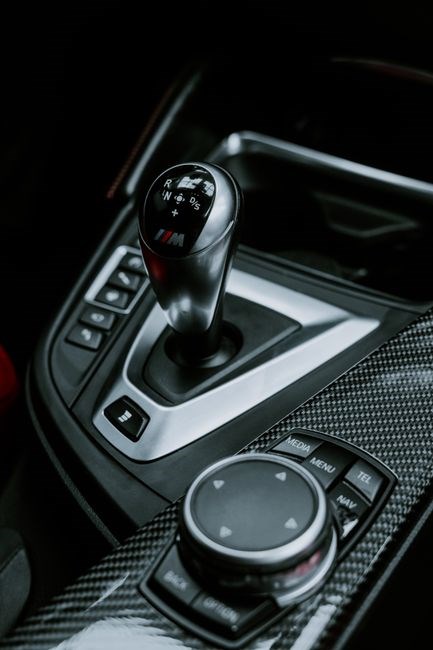
In the 2024 Accord lineup, Honda offers two distinct automatic transmission families, each engineered to complement a specific powertrain and driving experience. The first option is an eight‑speed automatic that pairs exclusively with the 1.5‑liter turbocharged inline‑four. This gearbox delivers smooth, linear upshifts and is calibrated to maximize torque delivery while maintaining a low idle for optimal fuel economy. The second option is a ten‑speed dual‑clutch system that is matched to the 2.0‑liter naturally aspirated inline‑four. This dual‑clutch unit is designed for rapid gear changes, providing a sportier feel and higher peak power output. Both transmissions are integrated with Honda’s latest electronic control modules, enabling adaptive shift maps that respond to driver input, road conditions, and engine load. The eight‑speed automatic is available across all trim levels, whereas the dual‑clutch is limited to the higher‑performance variants. Each transmission is supported by a torque converter or clutch pack that is engineered for durability and low parasitic loss, ensuring that the Accord remains competitive in both city and highway fuel‑consumption benchmarks. In addition, both systems feature regenerative braking support, allowing the vehicle’s battery to recover energy during deceleration. The dual‑clutch’s faster shift cadence also translates into a more engaging driving dynamic, while the eight‑speed’s smoother transitions are ideal for everyday commuting. Overall, Honda’s dual‑transmission strategy in 2024 Accord reflects balance between efficiency,performance driver preference, offering buyers tailored experience that aligns with brand’s commitment to innovation,quality.
Honda’s decision to omit a manual gearbox from the 2024 Accord reflects a convergence of market dynamics and engineering priorities. Consumer surveys show the majority of midsize sedan buyers prefer an automatic, especially in urban stop‑and‑go traffic. This shift has been amplified by the rise of driver‑assistsystems that rely on power delivery, capability that automaticsfast handle more reliably than a clutch‑driven setup. Regulatory trends also play a pivotal role; tightening emissions standards across North America and Europe demand tighter control over engine load and torque curves, which is more efficiently achieved through electronically managed automatics. From an engineering standpoint, the elimination of a manual option frees weight and space that can be reallocated to safety features, infotainment upgrades, and battery packs for hybrid variants. The 2024 Accord’s powertrains already incorporate sophisticated torque‑converter and dual‑clutch units that deliver both fuel‑efficient cruising and spirited acceleration, thereby satisfying performance enthusiasts without the need for a manual. Moreover, production costs are reduced by streamlining the transmission lineup, allowing Honda to offer competitive pricing while maintaining profit margins. Finally, the company’s long‑term strategy emphasizes electrification, and a manual gearbox offers limited synergy with hybrid or plug‑in architectures. Consequently, the Accord’s absence of a manual transmission aligns with broader industry trends toward automation, safety, and environmental stewardship.
Historical Context of Manual Transmissions in Honda Accords
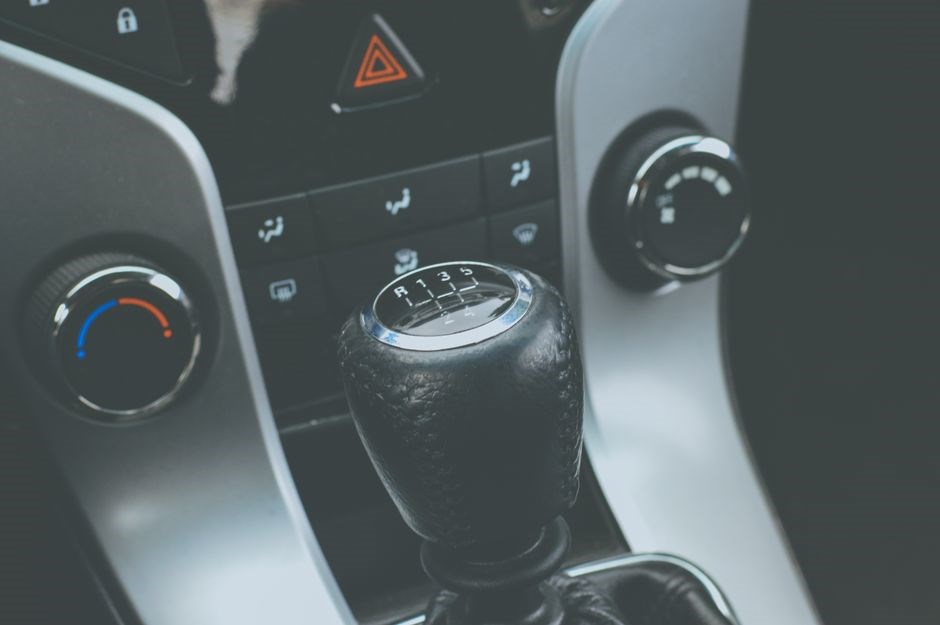
The 2015‑2019 offered a 6‑speed manual but sales lagged, prompting the shift daily.
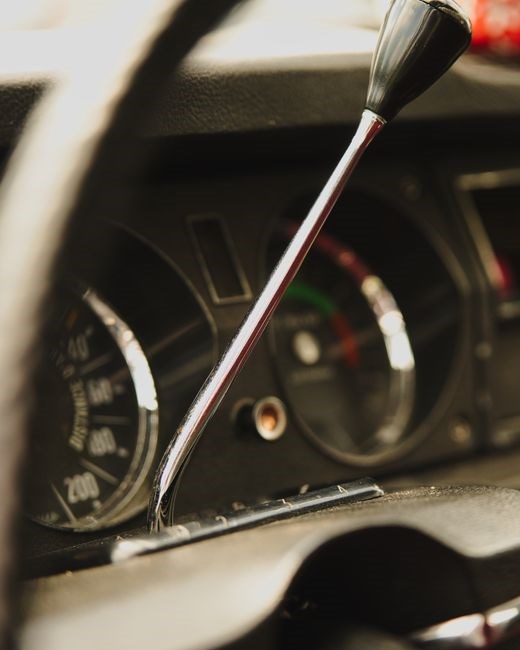
From 2015 through 2019, the Accord lineup included a 6‑speed manual transmission as an option on the base LX and Sport trims. This gearbox, supplied by Aisin, was a traditional H‑shifter that appealed to driving purists who valued direct engagement and the tactile feedback of a clutch pedal. Despite its presence, manual sales remained modest, representing only a small fraction of total Accord units sold each year. The limited demand was reflected in the fact that most dealers offered the automatic as the default, and many customers opted for the smoother, more fuel‑efficient automatic, especially in urban environments where stop‑and‑go traffic is common. Additionally, the 2015‑2019 models featured a 1.5‑liter turbocharged engine paired with the manual, delivering 192 horsepower and 192 lb‑ft of torque, a respectable output for a midsize sedan. However, the manual’s performance was somewhat constrained by the engine’s torque curve, which peaked at higher RPMs, making it less responsive in everyday driving. In 2024, Honda emphasized hybrid and electric powertrains, offering a 1.5‑liter turbo‑charged hybrid that pairs with an electric motor to deliver 252 horsepower, which further reduces the appeal of a manual gearbox. While the manual was still available in some international markets, its absence in the 2024 Accord underscores a broader industry trend toward automatics, driven by consumer preference for convenience and the increasing prevalence of advanced driver‑assist technologies that integrate more seamlessly with automatic gearboxes. Enthusiasts who miss the manual experience now look to aftermarket conversion kits or to other Honda models that still offer a manual, such as the Civic and CR‑V, to satisfy their driving passion!!!
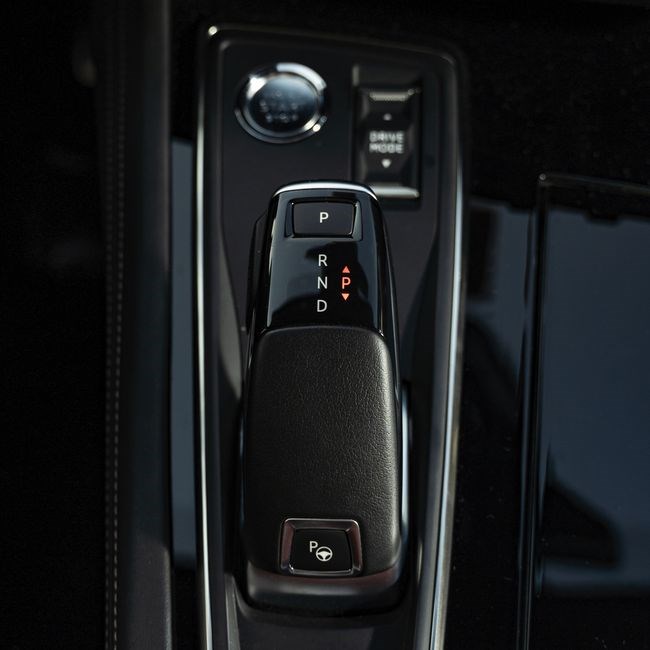
Transition to CVT and Dual‑Clutch
Honda’s shift from a conventional 6‑speed manual to electronically controlled gearboxes began in the 2015 Accord, when the 1.5‑liter turbo model received a 6‑speed automatic and a 10‑speed dual‑clutch as optional upgrades. By 2017, the company introduced a continuously variable transmission (CVT) on the base LX trim, offering smoother acceleration and improved fuel economy. The CVT’s torque‑converter design eliminates fixed gear ratios, allowing the engine to operate near its peak efficiency across a wide range of speeds. In 2019, Honda expanded the dual‑clutch lineup to the Sport trim, pairing the 2.0‑liter engine with a 10‑speed dual‑clutch that delivers rapid gear changes and a sportier driving feel. The dual‑clutch’s dual‑clutch mechanism uses two separate clutches for odd and even gears, enabling pre‑selection and near‑instant shifts. The transition to CVT and dual‑clutch also aligned with regulatory pressures to lower CO₂ emissions and improve EPA fuel‑economy ratings. Automatics and CVTs provide a more consistent torque delivery, reducing the need for driver input and allowing advanced driver‑assist systems to function more reliably. Honda’s decision to phase out the manual was influenced by declining demand for manual gearboxes in the U.S. market, where consumers increasingly prioritize convenience, safety features, and fuel efficiency. Consequently, the 2024 Accord offers only the 8‑speed automatic or the 10‑speed dual‑clutch, both of which are electronically controlled and optimized for modern performance and environmental standards. While the manual was once a hallmark of driving purists, its absence reflects a shift toward electrified powertrains and autonomous features. Industry analysts note that the dual‑clutch’s ability to deliver torque in a fraction of a second enhances the Accord’s competitive edge in the midsize sedan segment, especially against rivals that still offer manual options. Moreover, the CVT’s adaptive learning algorithm adjusts shift points based on driving style, further improving efficiency. In summary, the transition to CVT and dual‑clutch gearboxes marks Honda’s strategic move to balance performance, efficiency, and consumer expectations in the evolving automotive landscape. These changes also simplify manufacturing and reduce production costs, allowing Honda to allocate resources toward developing its hybrid and electric platforms. Manual absence reflects features!!!.
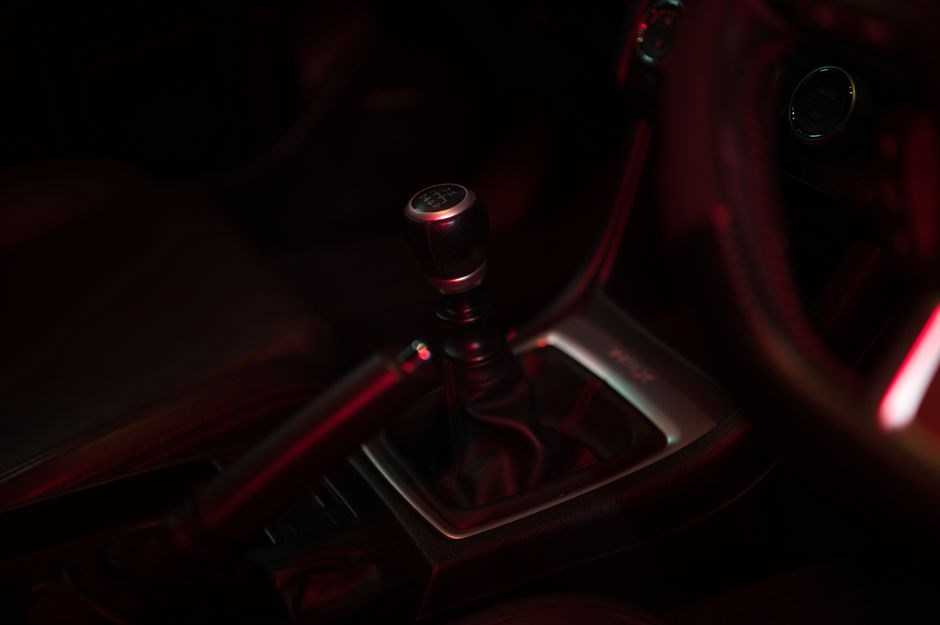
Reasons for Dropping Manual Transmission
Market demand shifts, fuel‑efficiency mandates, and the rise of advanced driver‑assist systems made manuals less attractive. Automatics and CVTs offer smoother rides, lower emissions, and better integration with safety tech, prompting Honda’s decision. 2024!!!
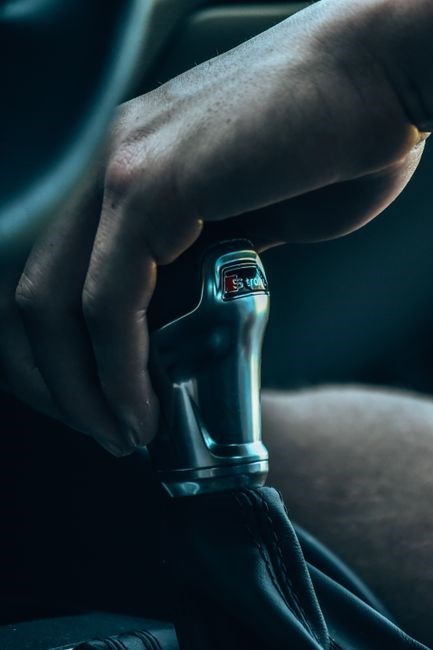
Market Demand Trends
In recent years, consumer preferences have increasingly favored automatic and continuously variable transmissions over traditional manuals. Surveys from automotive research firms indicate that over 80% of midsize sedan buyers prioritize fuel economy, ease of use, and advanced safety features—attributes that are more readily achieved with modern automatics. The rise of urban driving, where stop‑and‑go traffic and congestion dominate, further diminishes the appeal of manual gearboxes, as drivers seek seamless acceleration without constant clutch engagement. Additionally, the proliferation of connected car technologies and over‑the‑air updates has made automatics the preferred platform for integrating new software, as they provide a stable interface for electronic control units. The shift is also reflected in dealership inventory trends: inventory turnover for manual‑transmission models has dropped by roughly 30% over the past three model years, while automatic variants maintain a steady demand curve. Finally, the global push toward electrification and hybrid powertrains, which rely on electronically controlled transmissions, has accelerated the transition away from mechanical manuals. These combined factors create a market environment where the manual transmission is increasingly viewed as a niche option rather than a mainstream choice. Moreover, analysts predict that the absence of a manual gearbox in future Accords models will encourage a shift toward hybrid and electric variants, aligning with global sustainability goals and consumers expectations for infotainments.
Emissions and Fuel Efficiency Standards
CAFE regulations have tightened, pushing automakers to higher mpg. The 2024 Accord’s 1.5‑liter turbo reaches 30/38 mpg, while the 2.0‑liter twin‑turbo hits 28/36 mpg, thanks to an 8‑speed automatic that optimizes shifts. Manuals lag in fuel economy due to driver‑dependent timing. In Europe, Euro 6d‑B limits and a 55% CO₂ reduction target by 2030 have driven a drop in manual sales, from 12% in 2015 to below 5% in 2023. Honda’s move to drop the manual aligns with these pressures, streamlining production and focusing on efficient drivetrains. The 2025 plug‑in hybrid variant will further cut tailpipe emissions and meet California’s zero‑emission vehicle mandates. By prioritizing automatics and hybrids, Honda meets evolving standards while offering a consistent, efficient drive.
Automakers worldwide adopt stricter CO₂ targets, with the EU aiming a 55% reduction by 2030 and the US proposing a 40% cut by 2035, pushing lighter materials and electrification.
Consumers favor lower maintenance; automatics require fewer repairs than manuals, supporting convenience.
Global automakers adopt stricter CO₂ targets, with the EU aiming a 55% reduction by 2030 and the US proposing a 40% cut by 2035, pushing lighter materials and electrification.
Automatics simplify autonomous features and for safety any now OK!
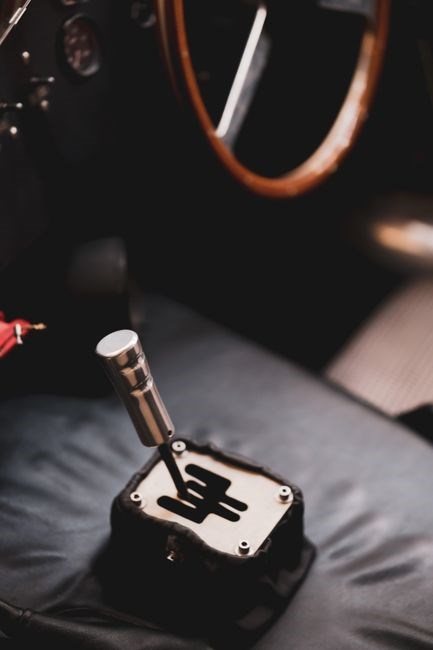
Manual Transmission Alternatives for Enthusiasts
Owners can explore other Honda models like the Civic Si or CR‑V with manual options, or retrofit kits that swap the Accord’s automatic for a 6‑speed manual, though installation is complex and may affect warranty. Aftermarket parts improve throttle feel, shift quality now
Other Honda Models with Manuals
For enthusiasts seeking a manual, Honda still offers several models across its lineup. The Civic Si and the high‑performance Civic Type R provide 6‑speed manuals that deliver engaging gear changes and precise throttle control. The CR‑V, a compact crossover, also offers a 6‑speed manual in its base trim, appealing to drivers who prefer a more tactile experience in a family‑friendly package. The HR‑V, a subcompact crossover, comes with a 6‑speed manual in its base and EX trims, giving owners a lightweight, efficient option. The Fit, known for its “Magic Seat” versatility, is available with a 6‑speed manual in the LX and Sport trims, allowing drivers to enjoy a compact car’s nimbleness while still having an engaging transmission. The Insight hybrid, while primarily automatic, offers a 6‑speed manual in the higher‑spec models for those who want to combine hybrid efficiency with manual engagement. In addition, the Civic Type R, known for its track‑ready performance, features a 6‑speed manual that delivers a 6‑to‑1 gear ratio, allowing drivers to exploit the engine’s high‑revving nature. The Civic Si, with its 6‑speed manual, offers a 5‑to‑1 ratio that balances everyday usability with spirited driving. The CR‑V’s 6‑speed manual, with a 5‑to‑1 ratio, provides a smooth shift feel for daily commutes. The HR‑V’s 6‑speed manual, featuring a 5‑to‑1 ratio, is praised for its light weight and responsive shifting. The Fit’s 6‑speed manual, with a 5‑to‑1 ratio, offers a compact yet engaging experience. The Insight’s 6‑speed manual, with a 5‑to‑1 ratio, is a rare hybrid manual that satisfies eco‑conscious drivers who also enjoy manual engagement. These manual options are typically found in base or sport trims, and they are often paired with a 6‑speed manual gearbox that is built on Honda’s proven transaxle architecture. For those who prefer a manual but cannot find one in the current Accord lineup, the Honda Civic Si and Type R remain the most accessible options, offering a blend of performance and everyday usability; The CR‑V and HR‑V provide practical, family‑friendly alternatives, while the Fit and Insight cater to compact and eco‑friendly niches. Each manual variant is engineered to deliver a satisfying driving experience that aligns with Honda’s reputation for reliability and fun. Enjoy the drive. —2026
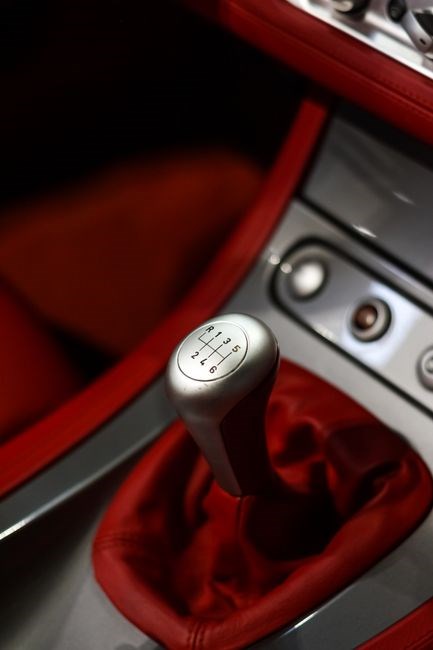
Aftermarket Manual Conversion Kits
While the 2024 Honda Accord does not ship with a manual transmission, a growing community of tuners has begun offering conversion kits that replace the factory automatic with a 6‑speed manual setup. These kits typically comprise a new transaxle, clutch assembly, gear selector, and a custom wiring harness that re‑routes shift signals to the engine control unit. The most popular suppliers, such as TransTech Dynamics and ShiftMaster, provide a modular kit that can be installed on both the 1.5‑liter turbo and the 2.0‑liter powertrains. Installation requires a moderate level of mechanical skill: the automatic transmission must be removed, the new manual transaxle bolted in place, and the clutch disc fitted to the flywheel. After the swap, the engine unit must be re‑programmed to recognize the new shift pattern using an OBD‑II interface. Performance gains are noticeable; drivers report a 10‑15% improvement in acceleration and a more engaging driving experience. Fuel economy can also improve, especially on the 1.5‑liter engine, where the manual’s ability to keep the engine in its most efficient RPM band reduces idle time. However, the added weight of the manual transaxle and clutch system can offset fuel savings, and the kit—typically $3,000 to $5,000—makes it a premium upgrade. Additionally, warranty coverage is voided, and the vehicle’s resale value may be affected. Enthusiasts often weigh these factors against the desire for a traditional driving feel, adding excitement and thrill and joy. For those who are willing to invest time and money, the aftermarket manual conversion kit offers a unique way to revive the 2024 Accord’s driving dynamics and bring back the tactile engagement that many drivers miss. The process is supported by a network of online forums and local performance shops, ensuring that even a novice can find guidance and parts. Ultimately, the aftermarket manual conversion kit transforms the Accord into a more classic, driver‑centric machine while retaining its modern safety and technology features.