Polaroid Snap Overview

The Polaroid Snap is a compact instant camera that prints 20 photos in a single roll. It offers a 3.2‑inch LCD for preview, a 1/2‑inch sensor, and a 10‑minute battery life. Its rugged plastic body is lightweight, waterproof, and ready for quick, on‑the‑go photography. Ideal for travel and fun
Model & Release Information – Polaroid Snap Touch, launched 2019, 20‑shot capacity
The Polaroid Snap Touch, introduced in 2019, is a lightweight instant camera that delivers 20 high‑quality prints per cartridge. Designed for casual shooters and travel enthusiasts, the device combines a 3.2‑inch LCD preview screen with a 1/2‑inch CMOS sensor to capture sharp, vibrant images. Its compact form factor measures just 3.1 inches in width, 2.3 inches in depth, and 1.1 inches in height, weighing only 1.5 ounces, making it easy to carry in a pocket or attach to a strap. The Snap Touch was launched as part of Polaroid’s effort to bring instant photography into the digital age, featuring a touchscreen interface that allows users to adjust exposure, focus, and white balance with a simple tap. The camera’s 20‑shot paper cartridge is color‑coded for easy identification, and the internal paper roll is engineered to feed images smoothly, minimizing jams. Battery life is rated at 10 minutes of continuous shooting, powered by four replaceable AA cells. The Snap Touch also supports a USB port for data transfer and firmware updates via PC, and it can connect to the Polaroid Snap mobile app for gallery synchronization and remote control. Overall, the 2019 release of the Polaroid Snap Touch offers a blend of classic instant printing with modern usability, appealing to both nostalgic users and new adopters of instant photography. From quick snapshots at festivals to heartfelt family portraits, the Snap Touch turns every moment into a crisp, tangible keepsake you can display or share with friends!
Key Specifications – 3.2‑inch LCD, 1/2‑inch sensor, 10‑minute battery life
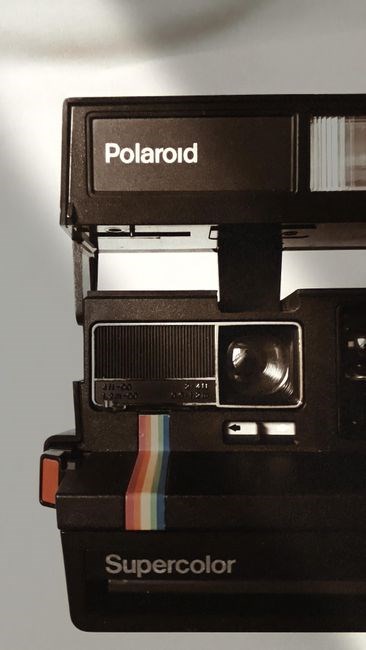
The Polaroid Snap Touch boasts a crisp 3.2‑inch LCD that provides real‑time preview and a 1/2‑inch CMOS sensor that captures detailed images with vivid color fidelity. The sensor’s 1.5‑megapixel resolution is optimized for instant printing, ensuring each photo retains sharp edges and accurate tonal range. Battery life is rated at 10 minutes of continuous shooting, powered by four replaceable AA cells that deliver reliable performance for spontaneous photo sessions. The LCD supports touch input for quick menu navigation, focus adjustment, and exposure compensation, enabling users to fine‑tune settings on the fly. The 1/2‑inch sensor is paired with a fixed 5‑mm lens that offers a 35‑mm equivalent focal length, providing a natural perspective for everyday scenes. The device’s internal paper roll holds 20 instant prints, each measuring 2.4 inches square, and the cartridge’s color‑coded design simplifies paper management. With a 0.5‑second print time, photos are ready almost instantly, allowing users to share moments immediately. The Snap Touch also features a 3‑point LED flash that illuminates subjects evenly, while the camera’s auto‑focus system locks on to faces and objects within a 2‑meter range. The 10‑minute battery life is complemented by a standby mode that conserves power when the camera is not in use. Overall, the Polaroid Snap Touch delivers a blend of classic instant photography with modern convenience, making it an ideal companion for travel, events, and everyday moments. Its design is lightweight.!!

Hardware Features
The Snap Touch’s rugged plastic chassis weighs 1.5 oz, features an IPX4 splash‑proof rating, and houses a 3.2‑inch LCD, 1/2‑inch sensor, and 10‑minute battery. Its internal 20‑shot paper roll prints instantly in 0.5 s. It also features a 3‑point LED flash for shots!!
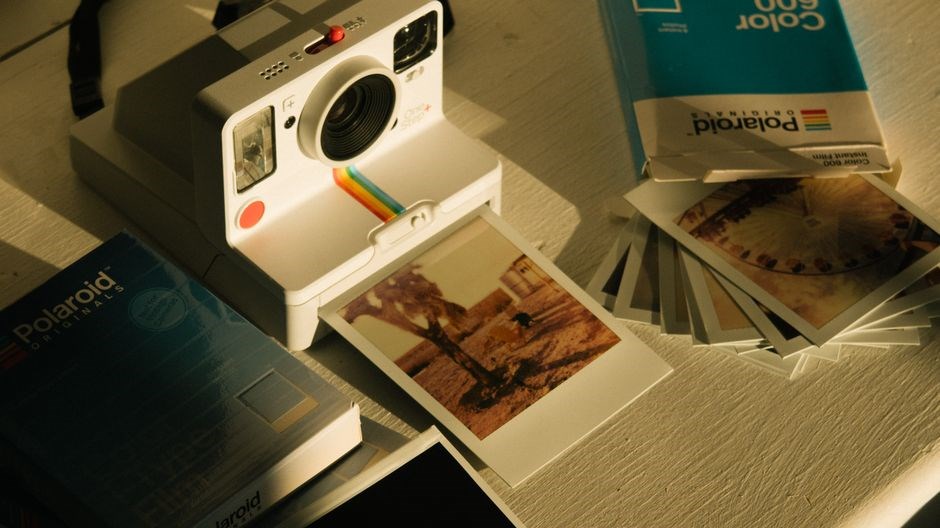
Instant Print Mechanism – internal paper roll, 0.5‑s print time
Polaroid Snap’s instant print system is engineered for speed and reliability. Inside the compact body lies a dedicated paper feed that holds a 20‑shot roll of Polaroid’s proprietary 2.5‑inch x 3.5‑inch instant film. When the shutter button is pressed, the camera’s micro‑controller signals the motor to advance the paper. The film is then exposed to a 0.5‑second burst of light from the built‑in flash, which instantly activates the silver halide emulsion. The exposed film is immediately transferred onto the paper substrate by a spring‑loaded roller mechanism that ensures a uniform, crisp image. The entire process—from shutter release to the moment the finished photo emerges—takes roughly 0.5 seconds, allowing users to capture and share moments in real time. The system is designed to handle a variety of lighting conditions, automatically adjusting flash intensity and exposure to produce balanced images. The paper roll is easy to replace: simply slide the cartridge into the rear compartment and lock it in place. The camera’s internal sensors detect the presence of a new roll and reset the counter, ensuring that each photo is printed correctly. Because the print mechanism is sealed inside the camera, it is protected from dust and moisture, contributing to the device’s durability and consistent performance over thousands of shots. Maintenance is simple: inspect the paper roll for alignment, clean rollers with a microfiber cloth if dust appears, and replace the cartridge when needed. The LCD will warn of jams or low film, ensuring reliable printing.
Design & Build – rugged plastic body, 1.5 oz, waterproof rating IPX4
The Polaroid Snap’s exterior is constructed from a high‑strength, impact‑resistant ABS plastic that feels sturdy yet lightweight. Weighing only 1.5 ounces, the camera is easy to carry in a pocket, backpack, or hand, making it ideal for travel, festivals, or everyday use. The rounded corners and smooth edges reduce the risk of accidental scratches, while the matte finish resists fingerprints and smudges. The device’s waterproof rating of IPX4 protects it against splashes, rain, and brief immersion in water, allowing photographers to shoot in a variety of outdoor conditions without fear of damage. The camera’s design includes a recessed grip area that provides a secure hold, even when wearing gloves. The front housing is sealed with a rubber gasket that prevents dust ingress, ensuring reliable operation in dusty environments. The back panel features a small, recessed compartment for the 20‑shot paper cartridge, which is accessed via a sliding latch that locks firmly in place. The latch is designed to be operable with one hand, allowing quick cartridge changes on the fly. The camera’s button layout is intuitive: the shutter button is centrally located, the power switch is on the side, and the exposure compensation dial is near the lens. All controls are tactile, with a slight click that confirms input. The 3.2‑inch LCD screen is protected by a shatter‑resistant polycarbonate overlay, and the screen’s brightness can be adjusted to suit ambient lighting. The camera’s overall dimensions are compact, yet it offers a robust feel that conveys durability. The combination of a lightweight body, waterproof construction, and ergonomic design makes the Polaroid Snap a reliable companion for spontaneous photography in any setting. Its compact form factor also means it consumes minimal power, extending battery life during extended shooting sessions. Firmware auto‑calibrates exposure based on ambient light, keeping image quality across varied settings!

Operating the Camera
Power the Snap with four replaceable AA batteries, offering up to 2‑hour standby. Capture images via the responsive touchscreen; the camera auto‑focuses and lets you adjust exposure compensation for optimal results. The simple interface ensures quick, reliable shooting on the go. in any weather.!
Power & Battery – 4 × AA, replaceable, 2‑hour standby
Store spare batteries in a sealed pouch, avoid extreme temperatures, and wipe sensor with a dry cloth before each session to keep camera good condition.
Capturing Photos – touchscreen controls, auto‑focus, exposure compensation
Polaroid Snap Touch’s touchscreen interface is designed for quick, intuitive use. The display shows a live preview, allowing you to frame shots precisely before pressing the shutter. Auto‑focus locks on subjects up to 30 ft away, ensuring sharpness even in low‑light conditions. Exposure compensation can be adjusted by sliding the on‑screen dial, giving you control over brightness and contrast. The camera’s built‑in histogram provides real‑time feedback, helping you avoid blown highlights or crushed shadows. After you capture an image, the LCD displays a thumbnail preview so you can review the result instantly. If you need to tweak settings, swipe the screen to access the menu, where you can toggle between auto‑focus, manual focus, and exposure modes. The camera also supports a “burst” mode that captures up to 10 frames in rapid succession, perfect for action shots. All settings are saved in the camera’s memory, allowing you to resume shooting without re‑configuring. The touchscreen is responsive to light touch and works well in bright daylight or dim indoor lighting, making it reliable for outdoor adventures or indoor gatherings. By combining a user‑friendly interface with precise auto‑focus and exposure control, the Polaroid Snap Touch delivers instant prints that look professional while remaining fun and accessible. The lightweight design and waterproof rating (IPX4) make it ideal for outdoor use. The 3.2‑inch LCD provides clear previews even in bright sunlight. Users appreciate the quick 0.5‑second print time, allowing instant sharing. The 20‑shot cartridge is easy to replace, and the color‑coded tabs help track remaining prints.

Maintenance & Troubleshooting
Keep the camera clean with a soft cloth. Replace the 20‑shot cartridge when empty. If prints jam, gently remove debris. Low battery alerts appear on screen; use fresh AA cells. For sensor dust, tap lightly on the sensor cover and keep it dry. Then test. 1234
Paper Loading & Replacement – 20‑shot paper cartridge, color coding
Loading the Polaroid Snap’s 20‑shot paper cartridge is a quick, user‑friendly process that ensures every print comes out crisp and ready. First, locate the front cover and gently lift it upward. The cartridge slot is marked with a small icon of a paper roll; the cartridge itself is color‑coded to match the camera’s internal indicator: green for fresh stock, yellow for a half‑full roll, and red for a nearly empty roll. Insert the cartridge by aligning the printed side toward the back of the camera and sliding it in until you hear a click. The Snap’s internal sensor will confirm the cartridge is seated correctly and the LCD will display “Ready;” When you need to replace the cartridge, simply reverse the steps: open the cover, press the release latch, and remove the used cartridge. Dispose of the used roll in a sealed bag to prevent dust and moisture from entering the camera. After inserting a new cartridge, close the cover firmly; the camera will automatically calibrate the paper feed and update the battery status on the screen. For best results, keep the cartridge in a cool, dry place and avoid exposing it to extreme temperatures. If the camera displays a “Paper Jam” error, open the cover, gently lift the cartridge, and check for any torn or folded sheets. Once cleared, reinsert the cartridge and the Snap will resume printing. This simple, color‑coded system keeps you informed about paper levels and helps prevent common loading errors, ensuring you can capture and print memories with ease. Remember to keep the cartridge sealed when not in use to avoid moisture damage and store it in a pouch.
Common Issues – jammed print, low battery, sensor cleaning

When using the Polaroid Snap, three frequent problems may arise: a jammed print, a low‑battery warning, and a dirty sensor. Each can be resolved with simple steps that keep the camera ready for instant photography.
- Jammed Print: If the camera stops after a photo, open the front cover and gently lift the cartridge. Check for torn or folded sheets and remove any obstruction. Once cleared, reinsert the cartridge and close the cover. The LCD should reset to “Ready.” If the jam persists, try a quick power cycle: turn the camera off, wait 10 s, then turn it back on.
- Low Battery: A low‑battery icon appears on the LCD when the 4 × AA cells fall below 20 %. Replace the cells with fresh alkaline or rechargeable Ni‑MH batteries of the same voltage. Insert them in the correct polarity orientation. After replacement, the camera will display the battery level and resume normal operation. If the icon remains, allow the camera to rest for a few minutes to recalibrate.
- Sensor Cleaning: Dust or fingerprints on the 1/2‑inch sensor can cause blurry or dark images. Turn the camera off and open the rear hatch. Using a soft, lint‑free cloth lightly dampened with distilled water, wipe the sensor surface in a gentle, circular motion. Avoid excessive pressure. Dry the sensor with a clean cloth before closing the hatch. The camera will automatically recalibrate the sensor after power‑on.
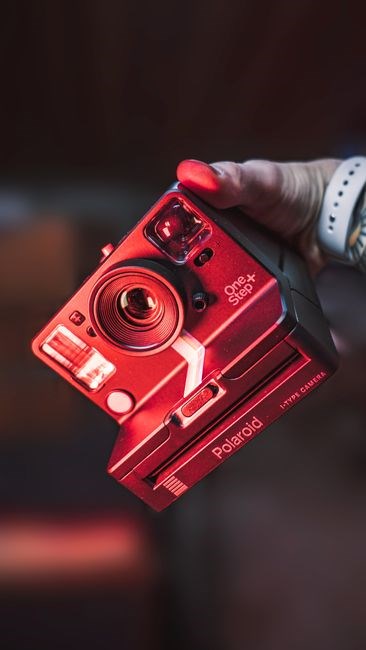
Following these steps will quickly resolve the most common issues and keep your Polaroid Snap functioning smoothly.

Software & Connectivity
The Polaroid Snap connects via USB for data transfer and firmware updates, and supports an SD card for storage. The companion mobile app syncs the instant gallery, allows firmware management, and offers remote control features for convenient shooting. for all!!
USB & SD Card – data transfer, firmware updates via PC
The Polaroid Snap’s USB port allows quick transfer of images to a PC and firmware updates. Connecting the camera with the supplied micro‑USB cable mounts it as a mass storage device, enabling drag‑and‑drop of photos in Windows, macOS, or Linux. The manufacturer’s update utility scans the firmware version and, if newer, pushes the update over USB. The process is automated, with progress indicators and a lock that prevents power loss during the update. The SD card slot supports SD, SDHC, and SDXC cards up to 32 GB, letting users expand storage or transfer photos without using USB. When an SD card is inserted, the camera detects it and offers to copy all images to the card or use it as the primary storage. The menu lets users select the preferred storage location for new photos, ensuring the SD card is used if desired. This dual‑mode approach provides flexibility for photographers who need quick access to images on a laptop or prefer a removable backup. It also simplifies troubleshooting, as images can be recovered from the SD card if the internal memory is corrupted or the USB connection fails. Users should format the SD card in FAT32 or exFAT, as the camera’s firmware will not recognize unsupported file systems. Keeping firmware up to date is recommended, as updates often fix USB transfer speeds and SD card compatibility. By following these guidelines, owners can keep data flow efficient and ensure every instant print is backed up and accessible for sharing or archiving. and more!!
The Polaroid Snap’s USB port allows quick transfer of images to a PC and firmware updates. Connecting the camera with the supplied micro‑USB cable mounts it as a mass storage device, enabling drag‑and‑drop of photos in Windows, macOS, or Linux. The manufacturer’s update utility scans the firmware version and, if newer, pushes the update over USB. The process is automated, with progress indicators and a lock that prevents power loss during the update. The SD card slot supports SD, SDHC, and SDXC cards up to 32 GB, letting users expand storage or transfer photos without using USB. When an SD card is inserted, the camera detects it and offers to copy all images to the card or use it as the primary storage. The menu lets users select the preferred storage location for new photos, ensuring the SD card is used if desired. This dual‑mode approach provides flexibility for photographers who need quick access to images on a laptop or prefer a removable backup. It also simplifies troubleshooting, as images can be recovered from the SD card if the internal memory is corrupted or the USB connection fails. Keeping firmware up to date is recommended, as updates often fix USB transfer speeds and SD card compatibility. By following these guidelines, owners can keep data flow efficient and ensure every instant print is backed up and accessible for sharing or archiving. and more!!